
How Long Does It Take for Ear Wax to Clear? Ear Drops, Olive Oil and Professional Removal Explained

When your ear feels completely blocked, waiting for ear wax to clear on its own can be frustrating. You may have muffled hearing, pressure in the ear or the uncomfortable feeling that something is stuck inside it – and naturally, you want to know how quickly you can get rid of it.
The answer depends on how much wax has built up and how hard or impacted it has become.
Some ear wax will clear naturally after it has been softened. More stubborn blockages may not come out by themselves and can require professional ear wax removal.
So, how long should you give it, what should you use to soften the wax and what happens when it simply won't come out?
How Long Does It Take for Ear Wax to Clear?
Ear wax does not usually disappear overnight.
Online NHS guidance suggests using an olive oil or almond oil preparation several times a day for 3 to 5 days to soften a build-up of wax. Once softened, the wax may gradually work its way out of the ear naturally, and this process can take around two weeks.
However, when we talk about using oil in the ears, it is important to make a distinction.
Many ear care professionals recommend using a purpose-made ear wax softening oil or spray, available from pharmacies and online, rather than simply using a bottle of olive oil from the kitchen.
Products such as Earol, for example, deliver pharmaceutical-grade oil in a controlled spray and are specifically designed for use in the ear.
These products can be useful both when trying to encourage wax to clear naturally and when preparing the ear before professional microsuction.
How Long Does It Take for Olive Oil to Clear Ear Wax?
Oil does not instantly dissolve a solid plug of ear wax.
Its main job is to soften and lubricate the wax. Softer wax may gradually move out of the ear through its natural cleaning process, or it may become considerably easier to remove during a professional appointment.
While general online guidance may suggest several applications of olive oil drops each day, ear wax removal specialists will often recommend a dedicated ear oil spray used around twice a day for several days.
A typical routine might involve:
Using the ear spray in the morning and evening
Applying it according to the product instructions
Gently massaging the tragus – the small flap of cartilage immediately in front of the ear canal – after spraying
Continuing for several days to allow particularly hard wax to soften
Massaging the tragus can help distribute the oil around the entrance to the ear canal and the wax.
Always follow the instructions supplied with the particular ear care product you are using.
Should I Use Normal Olive Oil from the Kitchen in My Ear?
Although you will often see olive oil mentioned in online ear wax advice, a purpose-made ear preparation is a much more practical option.
Ear wax softening sprays and drops sold by pharmacies are specifically packaged and intended for use in the ear. Spray products can also make it easier to deliver a controlled amount without trying to pour oil into your ear.
Products such as Earol are widely available from high-street pharmacies and online.
So, if you have been told to “use olive oil” before an ear wax removal appointment, it is worth checking whether your practitioner means a pharmacy ear oil preparation or spray rather than ordinary cooking oil.
What Dissolves Ear Wax Fastest?
There are numerous ear wax softening products available, but it is useful to understand what they actually do.
Rather than expecting ear wax to instantly dissolve, think of these products as softeners.
Hard, dry wax can become tightly lodged in the ear canal. Softening it makes it easier for the ear to move the wax naturally and can also make professional removal easier and more comfortable.
Different products contain different ingredients, including oil-based preparations and other wax-softening agents.
However, if you have a significant blockage and want it removed quickly, drops or sprays still require time to work. Professional ear wax removal is usually the quicker option because the wax is physically removed rather than waiting for it to leave the ear naturally.
How Do You Get Hard Wax Out of Your Ear?
Hard ear wax can be particularly difficult to clear without first softening it.
One of the worst things you can do is try to dig the wax out yourself.
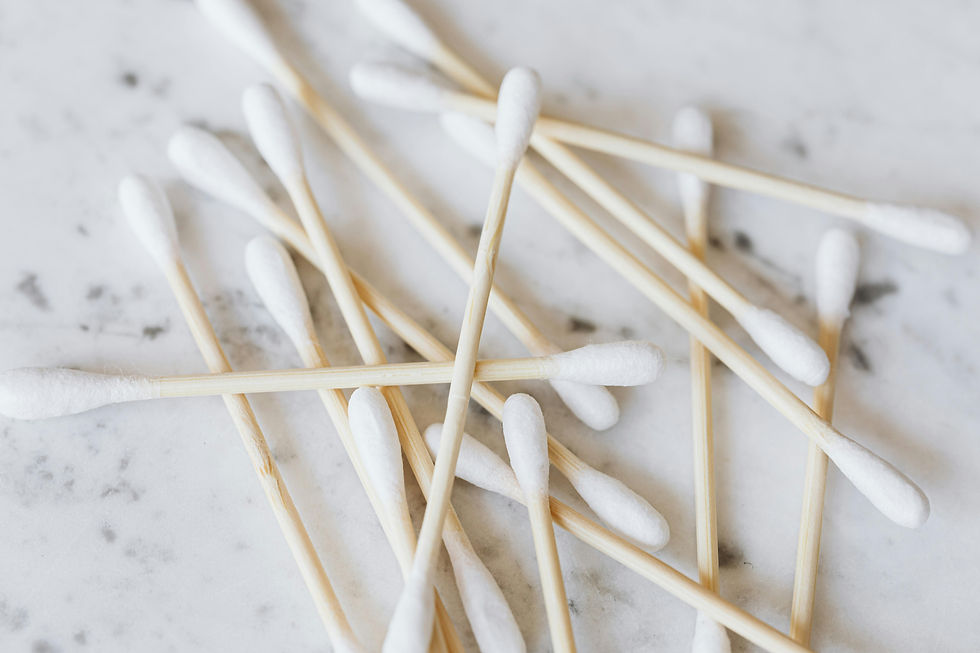
Cotton buds, fingers and other objects may remove a little wax from the very entrance of the ear, but they can also push the main blockage further down the ear canal. Over time, this can turn relatively loose wax into a tightly impacted plug.
A better approach is usually to soften the wax first using an ear wax softening spray or drops designed for the purpose.
For particularly hard wax, several days of softening can make a significant difference.
This is also why an ear wax removal practitioner may recommend using an oil spray before your microsuction appointment.
Should I Soften Ear Wax Before Microsuction?
It is often helpful.
Microsuction can remove wax without the need to flush the ear with water, but extremely hard or dry wax can be more difficult to remove.
Using a wax-softening spray for several days beforehand can make the wax softer and easier to extract.
Most reputable ear wax removal specialists also advise patients to use a wax-softening spray before attending their appointment.
At MK Ear Wax Clinic, advice can be given when booking if you are unsure whether you should soften your wax beforehand.
How Do I Use an Ear Wax Softening Spray?
Always follow the instructions supplied with the product you purchase, as these can vary.
A commonly recommended method for an olive-oil ear spray is:
Hold the spray as directed and apply it to the affected ear.
Gently press and massage the tragus – the small piece of cartilage at the front of the ear opening.
Continue massaging briefly to help distribute the oil.
Repeat as directed, often morning and evening when preparing for wax removal.
You do not need to insert anything else into the ear canal.
In particular, avoid using cotton buds after applying the spray, as this risks pushing softened wax further into the ear.
How Do You Get Wax Out of Your Ear That Won't Come Out?
Sometimes softening the wax simply isn't enough.
Wax may be particularly difficult to clear if it is:
Very hard or dry
Deep inside the ear canal
Completely blocking the canal
Tightly impacted
Regularly pushed deeper by cotton buds
Building up around hearing aid use
Trapped within a particularly narrow or curved ear canal
If you have softened the wax but the blocked sensation or hearing loss continues, professional removal may be appropriate.
The advantage of having your ears professionally examined is that the practitioner can also confirm whether wax is actually causing your symptoms before attempting to remove it.
How Quickly Does Microsuction Remove Ear Wax?
Unlike softening sprays, microsuction does not depend on the wax gradually leaving your ear.
A practitioner examines the ear canal and uses a fine suction device to carefully remove the excess wax while viewing the ear directly.
Where a straightforward wax blockage is causing reduced hearing or a blocked sensation, successful removal can often provide an immediate improvement.
Very hard, deep or impacted wax may take longer to remove and occasionally requires further softening, which is another reason why preparing the ears beforehand can be beneficial.
When Should I Get Professional Help with Ear Wax?
Consider having your ears professionally assessed if:
Your ear remains blocked after attempting to soften the wax
Your hearing has become noticeably muffled
Wax repeatedly builds up
The wax feels completely impacted
You need the blockage cleared quickly
You are unsure whether wax is actually causing the problem
You should seek appropriate medical advice rather than assuming symptoms are caused by ear wax if you experience sudden hearing loss, significant ear pain, discharge, bleeding or severe dizziness.
Professional Ear Wax Removal with MK Ear Wax Clinic
If stubborn ear wax is not clearing by itself, MK Ear Wax Clinic provides professional ear wax removal including microsuction.
We offer appointments at our clinics in Croydon, Richmond and West Wickham, as well as home visit ear wax removal across London, Surrey and surrounding areas.
If you are booking an appointment and have particularly hard wax, we can also advise you about softening the wax beforehand.
If blocked ears are affecting your hearing or your wax simply will not shift, book an appointment with MK Ear Wax Clinic today.
📞 Call: 0203 576 2944
📧 Email: info@mkearwaxclinic.co.uk


Comments